



A decrease in performance, rough idling, misfiring, or the Check Engine light are all common signs that your engine may need repairs. Listening for knocking or ticking sounds and noticing power loss can also indicate underlying engine problems.
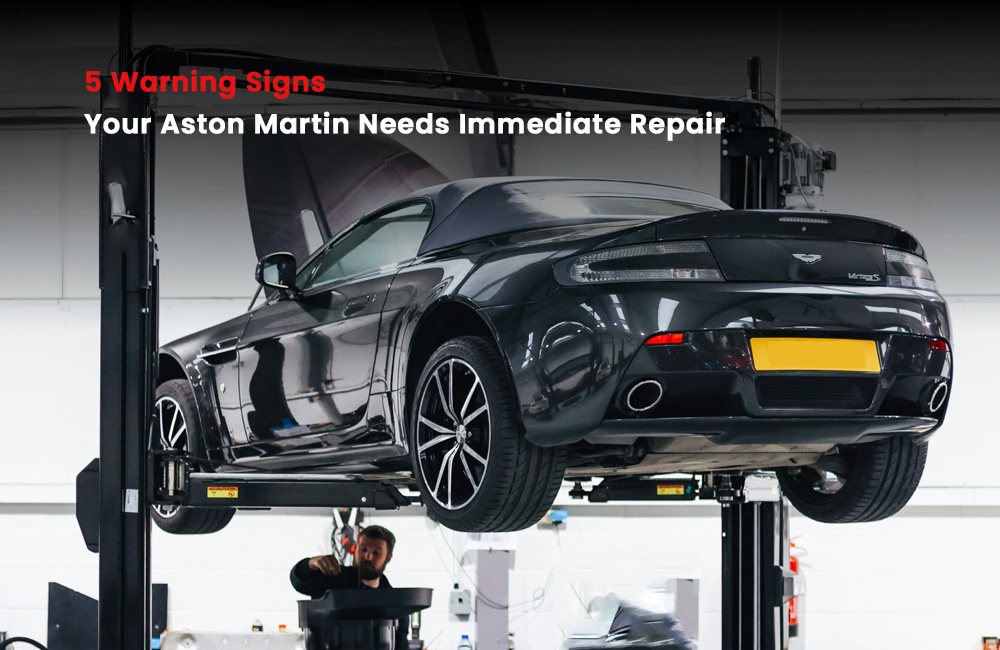
5 Warning Signs Your Aston Martin Needs Immediate Repair
15 Jan 2026
Table of Contents:
- The Aston Martin Owner's Vigilance: Understanding Your Vehicle's Language
- Sign 1: The Subtle Shift in Performance – When Power Feels Compromised
- Sign 2: The Unsettling Symphony of Sounds – Decoding Your Car's Cries for Help
- Sign 3: The Unseen Leak: Fluid Forensics and the Dangers of Dripping
- Sign 4: The Disappearing Braking Power – A Critical Threat to Road Safety
- Sign 5: The Emitting Light: Your Car's SOS Signal – Dashboard Warning Lights
- What to Do When You Spot a Warning Sign: Immediate Action is Key
- The Importance of Expert Care for Your Aston Martin's Longevity
- Proactive Maintenance: Preventing Future Repairs and Ensuring Performance
- Conclusion
- FAQs – Aston Martin Engine Repair Dubai
Owning an Aston Martin is an experience defined by luxury, elegance, and unparalleled performance. However, even the most prestigious vehicles need regular attention to maintain their superior condition. As an Aston Martin owner, understanding the warning signs of potential issues can make the difference between early repair and costly engine failure or safety hazards.
In this guide, we’ll cover the top five warning signs that your Aston Martin may need immediate repair. Knowing these indicators will help you protect your investment and ensure your vehicle remains in top shape.
The Aston Martin Owner's Vigilance: Understanding Your Vehicle's Language
Luxury cars like the Aston Martin are finely tuned machines that require proactive care. Each engine rev, brake application, and fluid level tells a story about your car’s condition. Your vigilance as an owner is paramount in detecting any performance shifts early.
Why Early Detection Matters for Luxury Vehicles
Detecting issues early can prevent small problems from escalating into expensive repairs. Aston Martins are known for their high-performance engines and advanced technology, making routine maintenance and immediate repairs essential to avoid significant engine problems, transmission issues, and even safety concerns.
Beyond the Dashboard: Engaging Your Senses for Optimal Performance
While your dashboard warning lights are important, there are other signs your vehicle may give you. Listening to the engine’s sounds, feeling the brake pedal’s response, and noticing any unusual vibrations can all alert you to potential issues. Understanding these signals is a vital part of being a responsible Aston Martin owner.
Sign 1: The Subtle Shift in Performance – When Power Feels Compromised
A noticeable decrease in engine performance is often the first sign that something’s wrong. If your Aston Martin has trouble accelerating, misfires, or hesitates during gear shifts, it's time to pay attention.
Lagging Acceleration or Loss of Power
A drop in acceleration or a feeling of sluggishness could signal a problem with the engine’s fuel injectors, air-to-fuel mixture, or even the turbocharger. When these systems malfunction, your car’s power output diminishes, and performance suffers.
Rough Idling or Misfiring Engine
A misfiring engine could indicate a malfunction in the fuel system, ignition system, or even the spark plugs. This issue requires immediate attention, as it could affect your engine’s performance and fuel efficiency. Misfires may be caused by faulty spark plugs, issues with the air-fuel mixture, or problems with the fuel injectors.
Hesitation During Gear Changes (Indicating Potential Transmission Issues)
Hesitation or jerky shifts during gear changes often point to potential transmission issues. It could be related to low transmission fluid, faulty sensors, or worn-out components in the transmission system. Transmission problems can be costly and detrimental to your driving experience, so it’s essential to address this issue as soon as possible.
Understanding the Underlying Causes
Common causes of power loss include faulty fuel injectors, air-to-fuel mixture imbalances, and issues with the turbocharger or other high-performance engine components. If not addressed, these issues can lead to engine damage and compromised performance.
The Impact on Overall Engine Performance and Efficiency
These issues can decrease fuel efficiency and overall engine performance, leading to higher repair costs if ignored. Additionally, failing to resolve these performance issues could lead to further engine complications, making regular maintenance essential.
Sign 2: The Unsettling Symphony of Sounds – Decoding Your Car's Cries for Help
Your car can communicate through sound. Unusual noises from the engine, brakes, suspension, or transmission are a clear indication that repairs are necessary.
Unusual Engine Noises: Knocks, Ticks, or Rattles
Strange engine noises like knocking or ticking could indicate internal engine problems, including issues with the engine’s combustion process or the oil system. Knocking sounds may point to detonation, while ticking could indicate valve lifter problems or low oil pressure.
Squealing, Grinding, or Scraping from the Braking System
If you hear squealing or grinding noises when applying the brakes, it could mean that the brake pads are worn and need replacement. Worn-out brake pads can damage the brake rotors, leading to more extensive and costly repairs. Regular brake pad replacements are crucial for maintaining your car’s braking performance and safety.
Clunks, Squeaks, or Groans from the Suspension System and Steering
These noises can point to worn-out suspension components such as control arms, shocks, or bushings. They can also indicate issues with the steering system, such as a malfunctioning power steering pump. Left unchecked, these issues can affect vehicle handling and safety.
Whining, Humming, or Clunking from the Transmission
If you notice whining or clunking sounds when shifting gears, it could signal issues with the transmission. This could range from low transmission fluid levels to more serious internal mechanical problems. Transmission repairs are often expensive, so it’s important to act quickly.
Identifying Sounds Related to Cooling Components or Gasket Issues
If you hear hissing or bubbling sounds, it could be a sign of cooling system issues, such as coolant leaks or malfunctioning gaskets. Ignoring these issues can lead to engine overheating and potential damage. These sounds should never be ignored, as overheating can cause significant engine damage.
Sign 3: The Unseen Leak: Fluid Forensics and the Dangers of Dripping
Fluid leaks are often one of the most obvious signs that something is wrong. Identifying the type of fluid can help you pinpoint the problem.
Puddles of Engine Oil Beneath Your Aston Martin
Engine oil leaks are a serious concern and can lead to engine failure if not addressed. Common causes include worn seals, gaskets, or oil filter problems. If you notice engine oil under your car, take immediate action to prevent further damage to your engine.
The Bright Hues of Coolant Leaks from the Cooling System
Coolant leaks can lead to engine overheating, a critical issue for high-performance engines. If you spot green, orange, or pink fluid beneath your car, it’s essential to have the cooling system inspected immediately. Coolant leaks should never be ignored, as they can cause long-term engine damage if left unchecked.
The Slippery Sign of Brake Fluid Leaks from the Hydraulic System
Brake fluid leaks are a safety hazard. If you notice brake fluid under your car, have your braking system inspected by a professional immediately. A brake fluid leak can severely impair braking performance and pose a significant safety risk.
Other Unusual Fluid Stains: Transmission Fluid or Fuel Leak
Transmission fluid leaks and fuel leaks are also red flags that should never be ignored. Both can lead to costly repairs and are dangerous, especially when they involve fuel. A fuel leak is a fire risk and requires immediate attention.
The Importance of Monitoring Fluid Levels and Oil Pressure
Regularly checking fluid levels and monitoring oil pressure can help prevent major engine problems. If your dashboard warning lights indicate low oil pressure, stop driving immediately to avoid causing further damage to the engine.
Sign 4: The Disappearing Braking Power – A Critical Threat to Road Safety
The braking system is critical to road safety. Any signs of brake failure must be addressed immediately to avoid accidents.
Spongy, Soft, or Unresponsive Brake Pedal
A soft or spongy brake pedal could indicate air in the brake lines or low brake fluid levels. If left untreated, this issue can lead to complete brake failure, which poses a serious safety risk. Address any brake pedal issues as soon as they occur to prevent further complications.
Noticeably Longer Stopping Distances
Longer stopping distances can be caused by worn-out brake pads or a malfunctioning brake system. This can significantly reduce your ability to stop in time and is a serious safety hazard. Regular brake inspections and timely brake pad replacements are essential.
Pulsating or Vibrating Brake Pedal During Braking
A vibrating brake pedal can indicate warped brake rotors, which should be addressed immediately to ensure your braking system works efficiently. Warped rotors can reduce braking effectiveness and compromise vehicle safety.
The Illuminated Anti-lock Braking System (ABS) Warning Light
If the ABS light is illuminated, it’s crucial to have the ABS control module and brake system checked. This could point to issues with the ABS sensors or control module. ABS problems can significantly impact your ability to stop safely in emergencies.
Sign 5: The Emitting Light: Your Car's SOS Signal – Dashboard Warning Lights
Dashboard warning lights are your car’s way of telling you something is wrong. The "Check Engine" light is just the beginning.
The Indomitable Check Engine Light: A Call for Engine Diagnostics
The Check Engine light can indicate a wide range of issues, from minor to critical. Advanced engine diagnostics are necessary to pinpoint the exact cause. Ignoring this light could lead to engine failure or other severe problems.
Other Critical Dashboard Errors and Sensor Issues
Other warning lights, such as those for oil pressure, electrical issues, or fuel systems, should never be ignored. They indicate that something needs immediate attention. A diagnostic report can help identify the root cause and direct you to the necessary repairs.
Understanding When Sensor Malfunctions Trigger Alerts
Faulty sensors can sometimes trigger warning lights. A professional diagnostic report will help identify sensor malfunctions and ensure accurate repairs. Sensor issues can affect engine management systems and other critical vehicle functions.
Recognizing Electrical System Issues, Wiring, and Potential Battery Drain
Electrical issues such as wiring problems or battery drain can lead to a complete electrical system failure. These problems should be handled by an expert to avoid further damage. Electrical system diagnostics are essential for pinpointing issues.
The Imperative for Computerized Diagnostics and Advanced Diagnostic Tools
Modern luxury vehicles like Aston Martin require computerized diagnostics to properly assess the underlying causes of dashboard warning lights. Advanced diagnostic tools help pinpoint issues with accuracy, ensuring that repairs are done right the first time.
What to Do When You Spot a Warning Sign: Immediate Action is Key
If you notice any of these warning signs, taking immediate action is essential. Ignoring the issue could lead to more severe problems down the line.
Prioritize Safety: Pull Over or Stop Driving if Necessary
If you experience significant performance issues, pull over safely and stop driving. Continuing to drive could cause more damage to your vehicle. Always prioritize your safety and the safety of others on the road.
Avoid DIY Diagnostics for Complex Luxury Cars
Avoid attempting to diagnose or fix complex issues yourself. Luxury vehicles like the Aston Martin require specialized knowledge and tools. A professional service center is equipped with the necessary expertise to handle the issue.
Seek Specialized Aston Martin Service Centers Immediately
It’s best to consult a certified Aston Martin service center for repairs. Their factory-trained technicians have the expertise needed to repair your car correctly. Specialized service centers have access to the latest diagnostic equipment and genuine Aston Martin parts.
Considering Roadside Assistance for Non-Drivable Conditions
If your Aston Martin becomes undriveable, call for roadside assistance. They can transport your car to a qualified service center where proper repairs can be made. Roadside assistance is invaluable when your car is no longer roadworthy.
The Importance of Expert Care for Your Aston Martin's Longevity
Routine maintenance and proper repairs are crucial for your Aston Martin’s performance and longevity. Only certified service centers should perform repairs to ensure that your car retains its value and performance.
The Value of Factory-Trained Technicians and Their Expertise
Factory-trained technicians are equipped with the skills and knowledge to address the unique needs of luxury vehicles like Aston Martin. They are familiar with the intricacies of the engine management systems and other high-performance components.
Insisting on Genuine Aston Martin Parts and OEM-Grade Components for Repairs
For optimal performance, always use genuine Aston Martin parts and OEM-grade components during repairs. These parts are designed to work perfectly with your car’s specifications, ensuring longevity and reliability.
The Precision of Advanced Diagnostic Tools for Accurate Problem Identification
Advanced diagnostic tools help identify issues with precision, ensuring your car is repaired correctly the first time. These tools are essential for diagnosing complex problems in high-performance engines and systems.
Why Specialized Service Centers Understand Luxury Vehicles Better
Specialized service centers have a deep understanding of luxury vehicles, offering the best care for your Aston Martin. They are equipped with the knowledge and tools to address the unique needs of your car.
Proactive Maintenance: Preventing Future Repairs and Ensuring Performance
Aston Martin vehicles are a considerable investment, and it’s essential to prioritize their upkeep through proactive maintenance. Taking care of your car regularly can help you avoid major repairs, ensuring that your vehicle stays in peak condition for many years. Here’s how to maintain your Aston Martin:
Adhering to Routine Maintenance Schedules (Oil Changes, Air Filters, Spark Plugs, Fluid Top-offs)
Routine maintenance is the backbone of any vehicle’s long-term health, especially luxury cars like Aston Martin. Regular oil changes ensure the engine’s moving parts are properly lubricated, reducing the risk of overheating and wear. Replacing air filters and spark plugs will improve engine efficiency and performance. Fluid top-offs—such as coolant, brake fluid, and transmission fluid—are also crucial for keeping systems running smoothly.
Regular Inspections: From General Assessments to Pre-purchase Inspections
Regular inspections allow for early detection of potential issues, often before they manifest into noticeable problems. Having a general assessment at least once a year can reveal anything that needs attention. Additionally, pre-purchase inspections are essential if you’re buying a used Aston Martin to ensure you’re investing in a vehicle that’s in optimal condition.
Monitoring Tire Care, Battery Care, and Suspension System Health
Keeping an eye on tire pressure and tread wear is essential for road safety and performance. Your Aston Martin’s suspension system—critical for handling and comfort—also needs to be regularly checked to ensure its components, like shocks and springs, are functioning correctly. Battery care is equally important, as a weak or faulty battery can lead to starting issues and electrical problems.
The Role of Manufacturer Specifications in Preserving Your Aston Martin
The manufacturer’s maintenance schedule should always be followed to the letter. These specifications were developed to ensure that your Aston Martin performs at its peak and lasts for years. Adhering to these guidelines will not only help prevent breakdowns but will also help maintain the car’s resale value and overall longevity.
Conclusion
As an Aston Martin owner, staying vigilant and recognizing early warning signs of potential issues can save you from costly repairs and maintain the luxury and performance of your vehicle. Whether it’s a subtle change in engine performance or an ominous noise from the braking system, taking immediate action and seeking expert repair services is essential to ensure your Aston Martin continues to deliver the experience you’ve come to expect. Regular maintenance, proper repairs, and the use of genuine parts will keep your vehicle performing at its peak for years to come.
FAQs – Warning Signs of Aston Martin That Needs Immediate Repair
Explore our FAQs below or find the answers you're looking for right here.
-
What are the signs that my Aston Martin’s engine needs repair?
-
How can I prevent fluid leaks in my Aston Martin?
To prevent fluid leaks, regularly check fluid levels and inspect components like hoses and gaskets for wear. Replace seals as necessary and schedule routine inspections to catch potential issues early before they cause significant damage.
-
Why is it important to use OEM parts for my Aston Martin repairs?
OEM (Original Equipment Manufacturer) parts are specifically designed for your vehicle, ensuring optimal compatibility, performance, and longevity. Using aftermarket parts can result in poor performance and may void warranties.
-
What should I do if my Aston Martin’s brake pedal feels spongy?
A spongy brake pedal usually means there is air in the brake lines or low brake fluid levels. This issue can impact your ability to stop the vehicle effectively and should be addressed immediately by a professional to ensure safety.
-
How can I maintain my Aston Martin’s engine performance?
Regular oil changes, air filter replacements, and spark plug checks are essential for maintaining your engine’s performance. Also, using premium-quality fuel and adhering to the manufacturer’s maintenance schedule will help optimize engine health.
-
When should I take my Aston Martin to a specialist service center?
If you notice performance issues, unusual sounds, fluid leaks, or any warning lights on your dashboard, take your Aston Martin to a specialist service center immediately. These centers are equipped with the right tools and expertise to handle complex issues specific to luxury vehicles.