



Most Aston Martins should be inspected at least once a year or around every 10,000 km, whichever comes first. In Dubai, harsh heat and dust may justify shorter intervals depending on driving style and storage conditions.
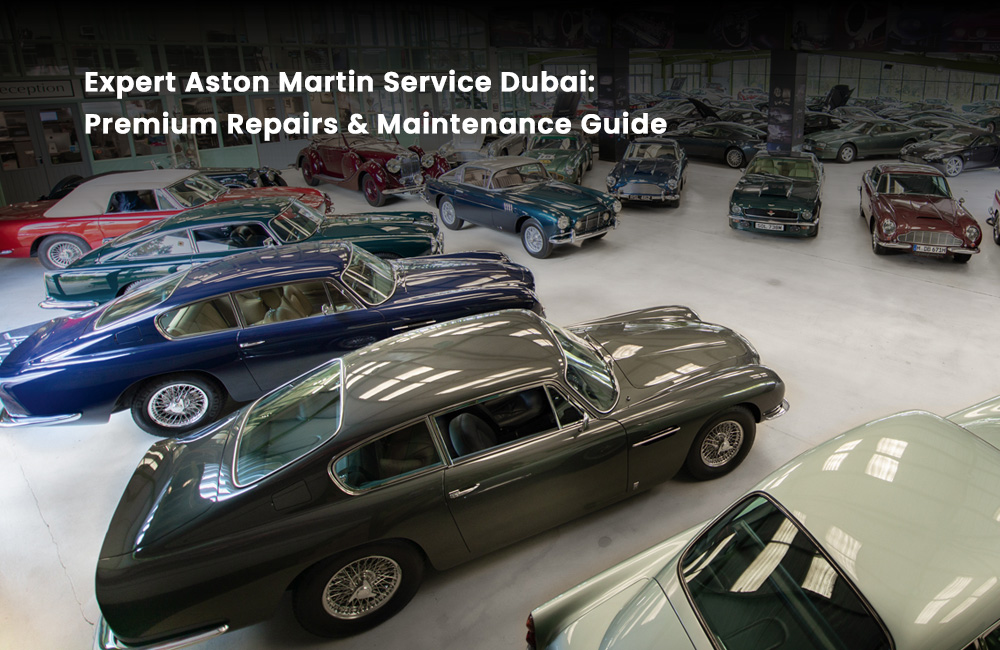
Expert Aston Martin Service Dubai: Premium Repairs & Maintenance Guide
08 May 2026
Table of Contents:
- The Standard of Excellence: Why Aston Martin Service in Dubai Requires a Specialist Approach
- Navigating the Dubai Climate: Specialized Maintenance for the UAE Environment
- Model-Specific Care: Tailoring Service to Your Aston Martin’s Architecture
- Technical Precision: The Role of AMDS and Specialized Diagnostics
- Comprehensive Maintenance: Key Service Areas for Peak Longevity
- The Independent Specialist Advantage: Dealership Quality with Bespoke Attention
- Preserving Your Investment: Documented History and Resale Value
- The Concierge Experience: Redefining the Service Workflow
- Conclusion: Protecting the Soul of Your Aston Martin through Expert Care
- Frequently Asked Questions: Expert Insights for Aston Martin Owners
If you own an Aston Martin, routine servicing is not just a box to tick. It is how you protect performance, preserve value, and keep a hand-built machine driving the way it should. In Dubai, that matters even more. Extreme heat, dust, stop-start traffic, and high-speed motorway driving all place extra strain on engines, cooling systems, brakes, and electronics.
This guide explains what sets true Aston Martin service in Dubai apart, what owners of DB11, DBS, Vantage, and DBX models should expect, and why specialist care is essential. You will also see where competing service pages fall short, what to look for in an Aston Martin specialist in Dubai, and how the right workshop helps you avoid costly long-term issues.
The Standard of Excellence: Why Aston Martin Service in Dubai Requires a Specialist Approach
Aston Martin vehicles combine hand-finished craftsmanship with complex performance engineering. That means service work must go beyond standard luxury car procedures. A proper Aston Martin workshop in Dubai should understand not just parts replacement, but brand-specific tolerances, calibration, and preservation standards.
The Intersection of Hand-Built Craftsmanship and High-Performance Engineering
Every Aston Martin is built with a balance of art and engineering. From bonded aluminum structures to advanced electronics and high-output V8 or V12 engines, these cars need precise care.
A technician working on a DB11 or Vantage must understand how performance, refinement, and drivability interact. The goal is not only to fix a fault. It is to restore the car to the way Aston Martin intended it to feel.
Why General Luxury Garages Fall Short of Aston Martin Standards
A standard luxury car garage could manage basic oil changes or brake repair. But Aston Martin ownership demands more. Generic service can be a way to miss problems with the geometry of suspension cooling, suspension geometry, transmission calibration, or sensor behavior.
This is the reason why a lot of owners opt for an Aston Martin garage in Dubai with a focus on experience. Expert knowledge helps reduce the chance of making a mistake, speeds up diagnosis time, and decreases the chance of repeat failures.
Navigating the Dubai Climate: Specialized Maintenance for the UAE Environment
Dubai is among the most challenging environments for performance automobiles. Dust, heat, and traffic patterns alter the speed at which components wear out and how often maintenance is required.
Thermal Stress: Protecting Cooling Systems from Extreme Middle Eastern Heat
The high temperatures in the ambient make cooling systems operate at their limits more than in various other markets. Coolant lines, radiators, thermostats, water pumps, and expansion tanks operate with constant loads.
To ensure Aston Martin maintenance in Dubai, the cooling system inspections should be more thorough. Small leaks, weakening hoses, or a deteriorated coolant could lead to major issues quickly during UAE temperatures.
Sand and Dust Mitigation: Preserving Air Intake Systems and Sensors
Fine dust may affect intake flow, filtering MAF sensors, and turbo performance. Additionally, it can increase the rate of pollution of the cabin filter and could affect the air quality in the car.
A well-planned Aston Martin repair in Dubai should include routine filters, intake inspections, and sensor cleaning when needed. This is crucial for vehicles that are frequently driven in the middle of the road or in locations that are exposed.
Fluid Integrity: Why Standard Service Intervals Don't Apply in the Desert
The heat breaks down fluids more quickly. Transmission fluid, engine oil, brake fluid, and coolant are all subject to greater stress in Dubai than they are in cooler climates.
That's why fixed international intervals don't always reflect local conditions. A knowledgeable Aston Martin specialist in Dubai might suggest adjusting the timing of service depending on the driving habits of the driver, such as mileage, climate, and exposure.
Model-Specific Care: Tailoring Service to Your Aston Martin’s Architecture
Not all Aston Martins age or perform in the same way. A DBX has very different service demands from a VH-platform DB9.
The Modern Era: Maintaining the DB11, DBS Superleggera, and the New Vantage
The latest models are based on the latest technology in electronic components, turbocharged performance, adaptive systems, and software integration. Making them work correctly requires physical skill and digital accuracy.
The owners of DB11, DBS, and Vantage models can benefit from scheduled inspections that go beyond routine maintenance. The performance of the ignition, the energy efficiency of cooling, battery health software updates, as well as suspension response are all important.
The DBX Performance SUV: Specialized Care for Aston Martin’s All-Terrain Powerhouse
The DBX combines Aston Martin performance with SUV practicality. This means greater weight and different load dynamics and a bespoke service profile that is shaped by city, family, and highway usage.
Wear and tear on suspension bushings, brake wear, alignment, and drivetrain inspections are all crucial. In the case of DBX drivers, Aston Martin service in Dubai must take into account both daily use and performance needs.
Legacy & Modern Classics: Caring for the DB9, V8 Vantage, and Rapide (VH Platform)
The older Aston Martin models require careful choices of parts, expert diagnostics, and a keen eye for prevention. Electronics, seals, cooling components, and suspension wear are typical concerns.
For those who own a classic car who have a classic car, the best Aston Martin workshop in Dubai keeps the originality intact while making sure that small problems don't turn into costly repairs.
Technical Precision: The Role of AMDS and Specialized Diagnostics
Modern Aston Martins cannot be serviced properly with generic scan tools alone. Deep diagnostic access matters.
Beyond Generic Scanners: The Importance of the Aston Martin Diagnostic System
AMDS permits a specialist to identify faults specific to a particular brand and test modules with greater accuracy, and identify issues that universal tools might not be able to detect or interpret.
This is crucial whenever warning indicators, concerns about drivability, electrical issues, warning lights, or intermittent issues are discovered. A correct diagnosis can save time as well as protect the parts and stop repairs that are trial-and-error.
Software Calibrations and Module Coding for Peak Performance
Modern systems are reliant on correct calibration and coding following the repair. This includes throttle adaptation as well as transmission performance and the registration of batteries, steering angle setting, and syncing of the control module.
If this step is not taken, the car might not be able to perform as expected. This is the main distinction between a typical luxurious workshop and an exclusive Aston Martin team.
Comprehensive Maintenance: Key Service Areas for Peak Longevity
A premium service plan should focus on prevention as much as correction.
Precision Engine Tuning and V8/V12 Powertrain Management
Performance engines require well-lubricated, powerful ignition and constant thermal control. Minor issues like weakening of the coil, leaks in the vacuum, or oil contamination could impact the response and reliability over time.
A well-planned Aston Martin maintenance schedule in Dubai should include a health check for the engine as well as fluid analysis if necessary, and the constant monitoring of stress points that are a result of heat.
Transmission Health: Clutch Calibration for Sportshift and Touchtronic Systems
The behavior of transmission isn't just about fluid. On certain Aston Martin systems, calibration is essential to ensure quality shifts the clutch's life, as well as the ability to drive.
Inconsistent shifts, jitters, or a lack of engagement could be due to wear or software adaptation problems, or calibration requirements. Professionally maintained transmissions protect performance and comfort.
Suspension and Chassis Alignment for Dubai’s High-Speed Arteries
Dubai streets are extremely smooth in many places; however, the speed, temperature, and occasionally road edge impacts continue to impact alignment and suspension wear. Even minor changes to geometry can affect steering response and tire wear.
To Vantage as well as DB11 owners, in particular, precise alignment can help improve stability, cornering confidence, and even tire longevity.
Brake System Integrity: From Standard Rotors to Carbon Ceramics
Aston Martin braking systems must be examined with utmost care. The condition of the rotor, pad compound, brake fluid, hydraulic health, and sensor functionality is important.
Carbon ceramic systems require more care. They are durable and have very little fade; incorrect procedures for servicing can result in costly damage.
The Independent Specialist Advantage: Dealership Quality with Bespoke Attention
Many owners want dealership-level standards with a more personal, efficient experience.
Transparency and the Master Technician Relationship
The most reliable independent experts provide straight communication, precise findings, and reliable service recommendations. This gives the owners the confidence and control they need.
Instead of hazy estimates, you should expect explanations, photos, and an easy repair route. This is what top-quality service should be like.
Genuine Parts vs. OEM: Ensuring Authenticity in Every Repair
Each replacement part may not be the same. Based on the specific system and the system, the most appropriate choice might be authentic Aston Martin parts or OEM components made by Aston Martin's original supplier.
A reputable Aston Martin garage in Dubai will explain the differences and recommend replacement parts that are based on reliability, performance, and value.
Navigating Factory Warranties while Using an Independent Specialist in the UAE
Warranty issues are valid. It is important to follow the correct procedures for service, approved grade fluids, correct documentation, and parts that are suitable for the job.
For many owners who own their cars, it is recommended that an Aston Martin specialist in Dubai offer expert assistance while keeping precise records to aid in future resales and transparency in service.
Preserving Your Investment: Documented History and Resale Value
Aston Martin ownership is emotional, but it is also financial. Service history matters.
The Correlation Between Specialist Service History and Market Value
Customers of performance cars with a high-end design take a close look at the maintenance records. A well-documented history of a specialist inspires more confidence than vague invoices or a lack of paperwork.
The car's records prove that it was properly maintained, any faults were addressed quickly, and standards for ownership were high.
Collector-Grade Maintenance: Long-term Preservation Strategies for Dubai Owners
Collector or low-mileage Aston Martins still need regular care. Battery maintenance, monitoring tire age, seal health, and climate-aware storage are all important.
This is the reason why a collector-oriented service safeguards both condition and desire.
The Concierge Experience: Redefining the Service Workflow
Luxury car servicing should be smooth, discreet, and efficient.
Seamless Logistics: Bespoke Pick-up and Delivery Across Dubai
For busy owners, pickup and delivery can be done in a short amount of time without compromising quality. This also eases the burden of organizing transport for workshops.
It is especially useful for collectors, professionals, and households with multiple cars.
Performance Assurance: The Comprehensive Multi-Point Inspection Process
An appropriate inspection should include the electrical, mechanical, and road-testing findings. It is important to identify any issues before they escalate into major repairs.
It also provides owners with more information about the present condition and future requirements for servicing.
Digital Transparency: Visual Reporting and Real-Time Updates
Photos, videos, and written reports aid owners in approving the work without hesitation. Digital reporting increases trust and reduces uncertainty.
If you're investing in premium services, the clarity must be a standard.
Conclusion: Protecting the Soul of Your Aston Martin through Expert Care
Aston Martin ownership comes with higher standards, and it is rightly so. They deserve more than just routine maintenance. These cars require precision expertise, and a workshop that is knowledgeable of the essence of the brand as well as the realities of driving in Dubai.
If you're in search of reliable Aston Martin service in Dubai, select a company that is able to combine technical expertise and experience specific to the model, honest communication and an exceptional experience for owners. Everything from routine servicing to sophisticated diagnosis and repairs, the right expert will help protect efficiency as well as reliability and value over time.
Book an Expert Aston Martin Service in Dubai
Your Aston Martin deserves specialist care built around precision, transparency, and performance.
Schedule your inspection today for expert diagnostics, tailored maintenance, and premium repair support for your DB11, DBS, Vantage, DBX, or classic Aston Martin in Dubai.
Speak with an Aston Martin specialist, request a quote, or book pick-up and delivery now.
FAQs – Expert Insights for Aston Martin Owners
Explore our FAQs below or find the answers you're looking for right here.
-
How often should I service my Aston Martin in Dubai?
-
What are the most common mechanical issues for Aston Martins in the UAE?
Common concerns include cooling system strain, fluid degradation, battery weakness, suspension wear, alignment drift, brake wear, and sensor contamination from dust. Older models may also develop age-related seal and electronics issues.
-
Does using an independent specialist void my local warranty?
Not automatically. What matters is that the vehicle is serviced correctly, documented properly, and maintained with approved fluids and appropriate parts. Always keep detailed service records.
-
Why is specialized wheel alignment critical for the Vantage and DB11?
These cars are highly sensitive to suspension geometry. Even a small alignment error can affect steering feel, tire wear, braking stability, and high-speed confidence.
-
Do DBX models require different servicing from Aston Martin coupes?
Yes. The DBX has different weight distribution, ride height, braking loads, and daily-use patterns. Its suspension, drivetrain, and brake systems should be assessed with SUV-specific operating demands in mind.
-
What should I expect from a proper Aston Martin diagnostic inspection?
A full inspection should include brand-aware fault scanning, live data review, visual checks, battery and charging analysis, road testing, and clear reporting with repair priorities.
-
Is preventive maintenance really worth it for low-mileage Aston Martins?
Absolutely. Low mileage does not stop fluid aging, battery drain, tire aging, seal deterioration, or climate-related wear. Preventive maintenance is often cheaper than reactive repair.