



The car you own Aston Martin, should undergo Minor Maintenance every 10,000 to 15,000 km, and a Major Service approximately every 30,000 kilometers or once a year, based on the driving conditions. Every visit should include oil changing, replacement of the filter, brake pad inspections, and a software update.
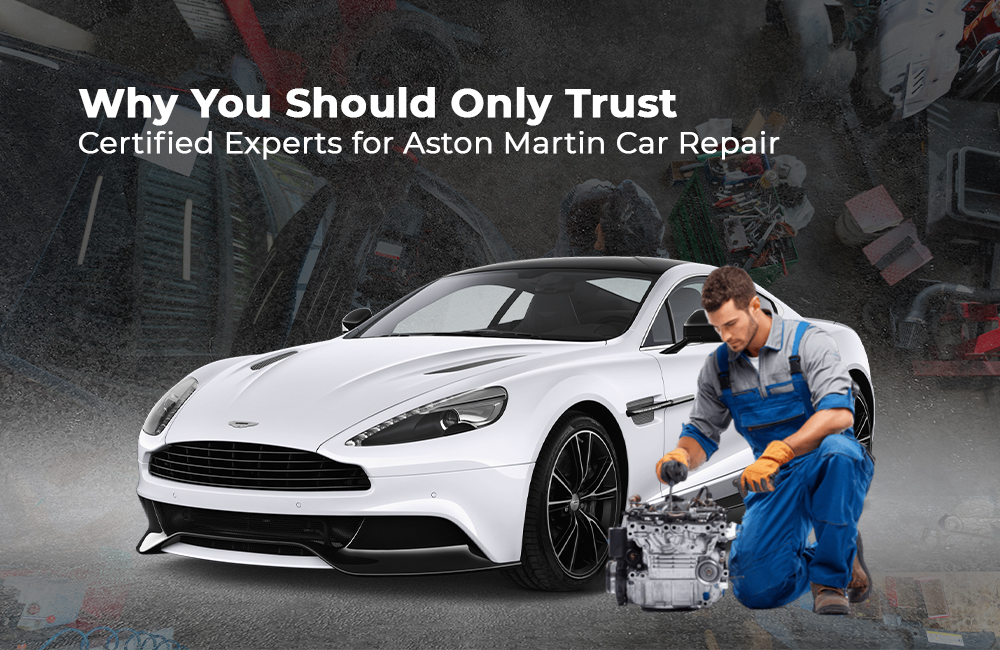
Why You Should Only Trust Certified Experts for Aston Martin Car Repair
07 Jan 2026
Table of Contents:
- The Unrivaled Legacy of Aston Martin: Why It Demands Specialized Care
- What "Certified Expert" Truly Means for Your Aston Martin
- Preserving Performance: The Certified Approach to Essential Services
- The Indispensable Role of Genuine Aston Martin Parts
- The Risks of Non-Certified Repair: What You Stand to Lose
- Protecting Your Investment: Long-Term Benefits of Certified Care
- The Aston Martin Ownership Experience: Beyond the Repair Bay
- Choosing Your Certified Aston Martin Expert
- Drive with Confidence: The Assurance of Certified Aston Martin Repair
- Frequently Asked Questions (FAQs)
The Unrivaled Legacy of Aston Martin: Why It Demands Specialized Care
A Heritage of Precision, Performance, and Exclusivity
Aston Martin is more than a car brand—it’s an icon of British motoring. Known for sleek design, high-performance engines, and timeless craftsmanship, Aston Martin models demand specialized attention. Whether you're driving a DB11, a Vantage, or a Vanquish, precision care is a must.
More Than a Car: An Investment in Engineering Excellence
A car that is owned by Aston Martin is a commitment to the highest standards. With components such as carbon-ceramic brakes, V12 engine diagnostics, and a carbon fiber monocoque, good care goes far beyond the basic maintenance for cars. It requires skilled handling by professionals trained to safeguard your investment.
What "Certified Expert" Truly Means for Your Aston Martin
Manufacturer-Approved Training and Continuous Education
Certified Aston Martin technicians undergo rigorous training through manufacturer-approved programs. This makes sure they're current with the most recent advancements, as well as software updates, and the best methods in car repair and maintenance services.
Mastery of Advanced Diagnostic Tools and Software
From ECU mapping to real-time engine diagnostics that are real-time, Aston Martin vehicles are packed with the latest technology. Experts certified by Aston Martin use state-of-the-art diagnostic tools such as video endoscopes, scanning software, and video cameras to pinpoint issues with precision.
Deep Understanding of Aston Martin's Unique Engineering
From the complex transmission systems in DB11 models to intricate suspension system checks, certified technicians understand the unique requirements of Aston Martin engineering. Their knowledge ensures each repair, from transmission servicing to air-conditioner condenser replacements, meets original specifications.
Preserving Performance: The Certified Approach to Essential Services
Precision Engine Care and Advanced Diagnostics
Certified technicians utilize engine management software to monitor data in real-time. Regularly scheduled engine diagnostics can reveal any performance issues, avoid the need for a complete maintenance of the engine, and ensure that the V12 engine is operating at its peak performance levels.
Specialized Transmission and Gearbox Servicing
Automated transmission systems on Aston Martin vehicles require precise fluid levels and maintenance schedules. If it's a DB11 repair to the transmission or general maintenance for the gearbox, the certified service guarantees that the gears are in good working order and have smooth shifts.
Advanced Suspension and Braking System Expertise
Checks of the suspension system, air suspensions, and carbon ceramic brakes all require specialized equipment and know-how. The certified service includes pad replacement for brakes as well as calibration of the brake system and tuning of shock absorbers.
Intricate Electrical and Electronic System Management
From infotainment and AC diagnostics to sensor malfunctions as well as battery diagnosis, all electrical components need to be handled with care. A certified workshop can prevent electrical issues from affecting key components like engine performance.
The Indispensable Role of Genuine Aston Martin Parts
Uncompromising Quality and Perfect Fit for Optimal Performance
Utilizing genuine Aston Martin parts ensures compatibility, performance, and security. From exhaust systems to air filters and leaks in radiators, only genuine components will give you the best outcomes without harming the vehicle's health.
Maintaining Warranty, Safety, and Authenticity
Genuine OEM replacement parts are essential in ensuring that warranty coverage is maintained, as well as safety requirements. Utilizing aftermarket parts for the repair of luxury vehicles can invalidate the warranty, decrease the value of resales, and even affect performance.
The Risks of Non-Certified Repair: What You Stand to Lose
Compromised Safety and Reliability
The incorrect handling of body work, engine rebuilds, or performance maintenance could compromise the safety and structural integrity of your vehicle. Even small mistakes in the repair of suspensions or brakes can lead to long-term problems.
Voided Warranties and Diminished Resale Value
The work performed by non-certified service centers can invalidate Aston Martin Service Contracts and lower the future value of resales. Buyers require a written service history from accredited workshops.
Inaccurate Diagnostics Leading to Costly and Repeated Repairs
Inexperienced mechanics are often unable to access official diagnostic software, which can cause inaccurately identified engine light codes or unsuccessful repairs. This results in lost time and increased expenses.
Protecting Your Investment: Long-Term Benefits of Certified Care
Preserving Peak Performance and the Signature Aston Martin Driving Experience
Correctly maintained engines, transmissions, and braking systems are guaranteed an unbeatable and thrilling driving experience. Professionally certified experts ensure that Aston Martin feels that owners appreciate.
Maximizing Longevity and Safeguarding Resale Value
By ensuring that fluids are maintained promptly, AC diagnostics, and software programming, trained technicians can extend the life of your vehicle, making it more valuable over the long run.
Comprehensive Maintenance Services for Peace of Mind
From pre-purchase inspections to complete Aston Martin Major Service, an Aston Martin Major Service certified center provides everything on-site. The services include alignment of the wheels, cooling system diagnostics, and headlight adjustments for total assurance.
The Aston Martin Ownership Experience: Beyond the Repair Bay
Dealership-Quality Service, Transparent Pricing, and Expert Quotations
Be sure to receive transparent and accurate billing, service reports, and expert communication from accredited centers. In contrast to general car repair shops that offer thorough diagnosis and clear repair plans.
State-of-the-Art Facilities and Advanced Equipment
Top-tier Aston Martin service centers use manufacturer-grade facilities equipped with hydraulic lifts, performance testing bays, and dedicated software labs.
Specialized Bodywork, Collision Repair, and Aesthetic Restoration
From auto body repair and body painting to rim protection and headlight restoration, certified facilities maintain the luxury appearance of your car using approved paint and OEM windshields.
Choosing Your Certified Aston Martin Expert
Inquire About Specific Aston Martin Certifications and Training
Always ask about technician qualifications. Have they completed Aston Martin’s official training? Are they certified in V12 Engine Diagnostics or transmission repair?
Look for State-of-the-Art Equipment and a Clear Genuine Parts Policy
The best service centers will advertise their use of modern tools & diagnostics and offer a transparent policy on spare parts and software updates.
Seek Transparency in Diagnostics, Service Reports, and Pricing
Professional workshops share real-time diagnostic data, use genuine parts, and provide a detailed breakdown of services rendered.
Drive with Confidence: The Assurance of Certified Aston Martin Repair
Trusting certified experts for your Aston Martin Car Repair ensures your vehicle receives the highest standard of care. From maintaining peak performance to preserving its luxurious appeal, certified service is the key to driving with confidence in 2026 and beyond.
Frequently Asked Questions (FAQs)
Explore our FAQs below or find the answers you're looking for right here.
-
How often should I service my Aston Martin?
-
What makes certified Aston Martin repair different from regular car repair?
Certified Aston Martin Car Repair is conducted by technicians trained directly by the manufacturer. They use specialized diagnostic tools, software programming, and original components to ensure every service maintains factory performance and safety standards.
-
Why are genuine Aston Martin parts important?
Genuine Aston Martin parts and manufacturer-approved parts are engineered specifically for each model. They ensure compatibility with systems like the engine management system, carbon ceramic brake system, and infotainment systems—protecting performance and resale value.
-
What are the risks of using a non-certified workshop?
Non-certified car workshops may use incorrect diagnostic tools or substandard spare parts, leading to misdiagnosis, performance degradation, and even voided warranties. Repairs such as V12 engine diagnostics, gearbox repair, or AC diagnostics should only be performed by certified experts.
-
Can certified service centers handle body work and auto body repair?
Yes. Most certified Aston Martin service centers offer advanced auto body repair, including body painting, headlight restoration, rim protection, and collision repair—using manufacturer-grade paint and original components to maintain the vehicle’s integrity.
-
How do I find a certified Aston Martin expert in my area?
Start by checking if the service center offers Aston Martin Service Contracts or pre-purchase inspection services. Ask about their training centers, availability of genuine parts, and use of state-of-the-art equipment like video endoscopes and factory diagnostic tools.